Unattended Death Cleanup
Decomposition cleanup and odor control are needed after a death goes unnoticed for several days.
See unattended death cleanupGet bodily fluids, affected materials and odor removed from a home, apartment, rental or business in California after officials release the property. The scope depends on how long the person was there and which materials were reached.
Death cleanup is a careful service for clearing odor, bodily fluids and contaminated material from a vehicle, business, apartment or home following a death. Other terms for this work include death scene cleaning, biohazard cleanup after death, post death cleanup and after death cleaning.
The coroner or medical examiner removes the deceased, and law enforcement collects evidence when an investigation is needed. Those agencies do not clean the property. After they release the scene, property owners, family members, landlords or authorized representatives can arrange a professional cleanup service.
Unlike routine home cleaning, death cleanup requires protective gear and a contained work area. Technicians locate the affected places and remove porous items when complete disinfection is not possible. They clean the surfaces that remain and apply an EPA-registered disinfectant for its entire label contact time. The sealed hazardous waste goes to treatment as required by applicable rules.

Unmarked vehicles can be used by cleanup crews, and movement paths through the property can remain controlled. Find out how the crew plans to move equipment and sealed waste through the property prior to beginning work.
You or a trusted representative can identify keepsakes and important documents. Keep uncontaminated property apart from affected items while each belonging is reviewed carefully.
The cleanup scope, waste documentation, an item inventory and pictures may help support the insurance claim. Find out who can authorize work and which records the insurance company needs before you move forward.
Before you approve the scope, confirm the affected rooms, materials that may stay, items requiring removal and the point when restoration may start.
A property may need after death cleaning whenever decomposition or bodily fluids have affected it. The extent varies with the materials reached and the time before the person was discovered. For trauma cleanup or suicide cleanup, law enforcement may need to coordinate further before releasing the space.
Moving personal property from a rental home, hotel or apartment may first require coordination among relatives, site management, the insurer and owner.
Natural causes do not prevent a death from leaving a biohazard and bodily fluids. Room safety cannot be determined by how the person died.
Safe access becomes harder when clutter covers contaminated materials. Once biohazard remediation is complete, an estate cleanout or hoarding cleanup services may follow when approved as separate work.
Cars, offices, warehouses and other locations can be affected by a death. Surface testing, containment, waste disposal and restoration plans are tailored to each property.
Limit the chance of exposure, and leave access intact for both officials and insurance documentation. Do not enter the space to look at the conditions yourself.
Call (888) 440-9227Many unattended death cleanup cases are listed by published cost guides at $2,000 to $7,000. A recent death limited to a small area may instead have a range of $2,000 to $5,000. Discovery after one to two weeks can bring a cost of $8,000 to $18,000. Time, waste volume, affected materials and odor treatment shape the final scope.
Published national cost guides are the source for these ranges, rather than an inspection of your property. An on-site assessment determines your property's price, which is explained to you before the cleanup starts.
Ask about cost: (888) 440-9227Homeowners, renters or commercial property insurance may cover death cleanup when the policy treats the event as a covered loss. Coverage, deductibles and documentation requirements vary, so the policyholder should ask the insurer about the specific claim.
Victims of violent crime can ask the Ohio Attorney General's Crime Victim Services Section about crime scene cleanup, which its victims compensation program lists among eligible expenses for safety purposes. Insurance is usually checked first.
Check which photographs, property lists, cleanup files and waste records the claim requires. Do not enter the affected room just to take pictures. Cleanup technicians may document the affected space safely.
When you call the claims number, ask whether coverage applies to biohazard remediation, affected structural materials, personal property and restoration. Save your claim number along with the adjuster's contact details.
Who is responsible can vary with the lease, the affected area, policy conditions and local rules. The property manager or landlord should coordinate with relevant insurance companies and the family.
From the first assessment to the closing check, death cleanup moves through a controlled sequence. Each stage is documented to reduce cross-contamination and decide what may stay in place during the full cleaning process.
After confirming scene release, technicians talk with the person authorized to act and inspect apparent contamination plus likely hidden affected areas. Conditions may be documented in pictures for the insurance company.
The affected workspace is isolated from unaffected rooms. Technicians use suitable protective equipment, create a controlled path and place air filtration when conditions call for it.
Your guidance directs the sorting of furniture, clothes, documents and keepsakes. You can set aside belongings located outside the affected area, while questionable items get closer assessment.
Materials unsuitable for complete disinfection, including upholstered furniture, subfloor, bedding, drywall, carpet and pad, are carefully taken out and securely packaged for disposal.
Hard surfaces are cleaned before disinfection. Wiping too soon may limit effectiveness, so an EPA-registered disinfectant stays in place through its full contact time.
The odor source must be removed before treatment can start. Room conditions and occupancy determine whether HEPA air scrubbers, hydroxyl treatment or other methods may be appropriate.
The controlled path is used to remove contaminated materials after sealing them for disposal under applicable requirements. An inspection of treated areas follows, and the claim file can include prepared cleanup documentation.
After remediation ends, restoration services may replace cabinets, trim, drywall or flooring that was removed. The cleanup scope does not include separate reconstruction work.
Call at any time. A death cleanup specialist answers, explains the steps and agrees a start time with you.
An affected space may contain contaminated porous materials and bacteria, along with bloodborne pathogens and airborne odor compounds. Serious health risks can result from these hazards, and the unseen affected area may be larger than the visible one.
Possible fluid paths include carpet and padding, flooring joints, subflooring and spaces behind baseboards. Cleaning only the visible surface can leave contamination and odor behind.
Exposure to blood or bodily fluids may involve hepatitis C, HIV and hepatitis B. Dried material still needs careful treatment because hepatitis B may live at least seven days on surfaces, according to the CDC.
Going into the space where the person died can cause significant emotional distress. You can ask a trusted representative to meet the cleanup technicians and check personal property on your behalf.
Can you clean it yourself? For a minor fresh blood spot on material that is sealed and non-porous, wear gloves and keep an EPA-registered disinfectant in place throughout its labeled contact time. Professional cleanup is needed when fluids reach carpet, drywall, bedding, unfinished wood or a space you cannot examine safely, so stay away.
Death cleanup can take one day when the affected space is recent, small and contained. It may require several days if fluids entered structural materials or odor spread to nearby areas. Timing depends on the initial assessment, necessary removal and any drying or air treatment.
| Scene | Typical time on site |
|---|---|
| Recent death, limited hard surfaces | Could be finished in approximately one day |
| Porous materials removed from a single room | Often takes one to three days |
| Structural materials removed or multiple affected areas | Could require several days before restoration starts |
The first part of death odor removal is locating every affected item and taking it out. A fragrance, coat of paint or surface spray only masks the smell for a short period. It cannot clear fluids hidden below furniture, drywall, carpet or flooring. Air treatment works after the source is corrected.
Once the source is gone and cleaning is finished, particles in the air can be captured with HEPA scrubbers. Suitable spaces that remain occupied may allow hydroxyl treatment, but ozone requires careful use in a controlled, empty area. Vents and nearby rooms can also be checked when airflow may have moved odor beyond its starting point.
When workers may encounter blood, the OSHA Bloodborne Pathogens Standard, 29 CFR 1910.1030, requires training, protective equipment, work practices and exposure controls.
The product selected for bodily fluids or blood disinfection should be EPA-registered, compatible with the surface and applied for its complete labeled contact time.
Ohio treats soaked materials from a biohazard scene as infectious waste. Ohio EPA's Division of Materials and Waste Management rules control how it is packaged, transported and treated, so it cannot go in household trash.
Ohio investigates deaths through county coroners, who are physicians, and a small number of county medical examiners, with no single statewide office. Cleanup starts after police or the coroner release the scene.
The full death cleanup guide covers what is cleaned or removed, odor and air quality work, and the rules that apply in Hamilton County.
Read the full death cleanup guide
Planning for access, containment and cleanup can depend on local population, housing and entry conditions.
For an injury during discovery, St Elizabeth Ft Thomas is the nearest listed hospital at approximately 1.6 miles away.
Connections to Mount Washington, Columbia-Tusculum, and Linwood make a precise address important for coordinating cleanup access without unnecessary neighborhood attention.
Neighborhood level directions help narrow the location, but crews still need entrance details before bringing containment and cleaning equipment inside.
You can ask about cleanup in nearby communities and ZIP codes during the call.
Decomposition cleanup and odor control are needed after a death goes unnoticed for several days.
See unattended death cleanup
Cleanup after a death that was found quickly, with care for the family home.
See attended death cleanup
Floors, underlying subfloors and furniture are cleared of decomposition fluids.
See decomposition cleanup
Death odor removal targets the source through ozone treatment, hydroxyl and air scrubbers.
See death odor removal
Estate cleanout after a death, with sorting of belongings and safe removal.
See estate cleanout after a death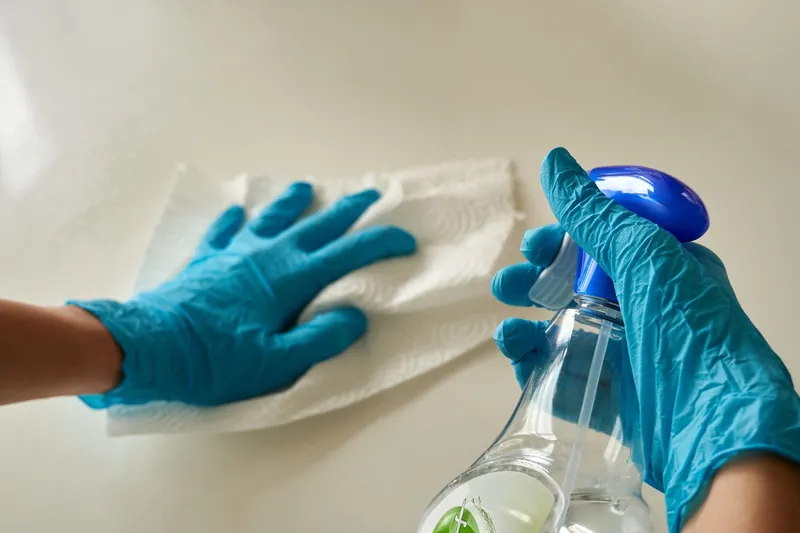
Blood cleanup on carpet, hard floors, walls and furniture with safe disposal.
See blood cleanup
Following accidents, violence or injuries, trauma scene cleanup addresses the affected area.
See trauma scene cleanup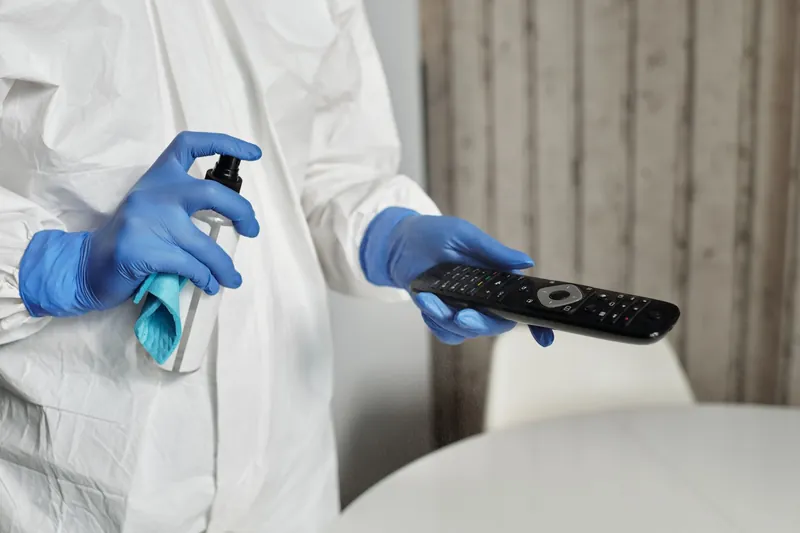
Contamination is cleared through biological remediation, returning the space to safe use.
See biohazard remediationWhether you can stay depends on controlling moving air and fully isolating the affected area from the home's living space. Anyone who is not part of the work, including children and pets, needs to remain outside the controlled area. Temporary accommodation may be a safer practical option while removal and odor work proceed in a larger area or building with shared ventilation.
Items outside the affected area may not require removal. Sealed, non-porous items may be cleanable when every surface can be reached. Bodily fluids in direct contact with porous items can make removal necessary. Ask for photos and an item check before disposal, and identify documents, photographs and keepsakes that need special attention.
A small, recent and contained area may take about one day. Several days may be needed if bodily fluids affected nearby rooms, furniture, drywall, subfloor or carpet padding. Separate time must be allowed for restoration and odor treatment. Before reuse, the initial evaluation should clarify each step and the conditions that need to be satisfied.
Responsibility may change with the affected location, terms of the policy, local requirements and rental agreement. Building entry and structural work are often coordinated by property management or the landlord, with the estate addressing belongings. Both sides should contact their insurance companies before work begins and document who is authorized to approve removal.
Drying does not prevent blood and certain bodily fluids from containing bloodborne pathogens. Contamination may remain out of sight beneath porous surfaces. Keep pets and children out of the affected area, avoid direct contact and never use your household mop or vacuum there.
A homeowners policy may cover biohazard cleanup after a death when the event meets the policy terms, but coverage and deductibles vary. As soon as practical, report the loss and discuss odor treatment, reconstruction, affected personal property and contaminated building materials. Keep the claim number, adjuster contact details, photos and cleanup records together.
You can request respectful, discreet death cleanup 24 hours a day, and crews use unmarked vehicles.